


Choosing the right film slitting machine is an important decision for flexible packaging converters. A suitable machine can improve roll quality, reduce material waste, shorten changeover time, and make daily production more stable. A poorly matched machine, however, may lead to wrinkles, loose rolls, uneven edges, unstable tension, and unnecessary downtime.
For buyers who are new to flexible packaging converting, the selection process can feel complicated. Different materials, such as BOPP, PET, PE, LDPE, PVC, printed film, and laminated film, behave differently during slitting and rewinding. That is why buyers should not choose a film slitting machine based only on price or maximum speed. It should be chosen according to material type, web width, thickness, finished roll size, cutting method, tension control, rewinding structure, and automation level.
This guide explains what buyers should check before choosing a flexible packaging slitter rewinder and how to match the machine configuration with real production requirements.
What Is a Film Slitting Machine?
A film slitting machine is a roll-to-roll converting machine used to cut wide film rolls into narrower finished rolls. In most flexible packaging applications, the machine unwinds a jumbo roll, guides the web, controls tension, slits the material into required widths, and rewinds the slit webs into finished rolls.
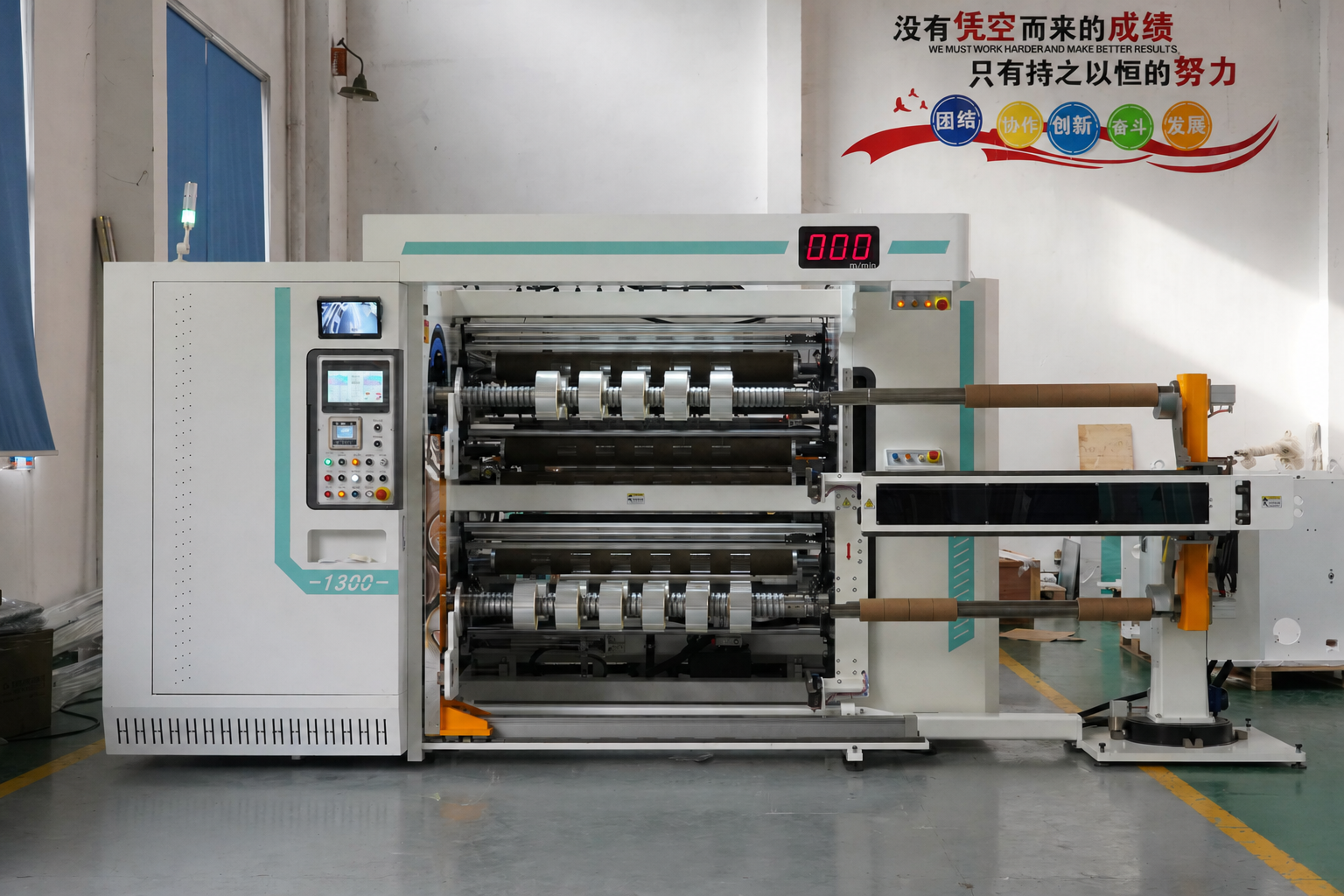
It is commonly used for flexible packaging materials such as:
BOPP film
PET film
PE film
LDPE film
PVC film
CPP film
OPP film
Printed film
Laminated film
Aluminum foil composite film
Polyester film
Label and packaging substrates
For flexible packaging converters, the machine is not only used for cutting. It also affects the finished roll surface, edge accuracy, roll hardness, downstream printing performance, and customer satisfaction.
Start with Your Material Type
The first step in choosing a film slitting machine is to confirm the material you need to process. Different films require different machine configurations, especially in tension control, cutting method, web path design, and rewinding pressure.
|
Material |
Common Challenge |
Machine Requirement |
|
BOPP film |
Edge quality and speed stability |
Clean cutting and stable web guiding |
|
PET film |
Tension stability and roll hardness |
Accurate tension control and consistent rewinding |
|
PE / LDPE film |
Stretching under improper tension |
Precise low-tension control and smooth web path |
|
Laminated film |
Different layer structures and thicknesses |
Strong frame and suitable cutting method |
|
Printed film |
Surface scratches and wrinkles |
Careful web handling and stable rewinding |
BOPP Film
BOPP film is widely used in flexible packaging because of its clarity, strength, and stable processing performance. A BOPP film slitting machine should provide clean cutting, stable web guiding, and accurate rewinding. Edge quality is important because poor edges may affect printing, lamination, or bag-making performance.
PET Film
PET film is commonly used for high-strength packaging, printing, and laminated structures. A PET film slitting machine should offer stable tension control and accurate slitting performance. If tension is not well controlled, PET film rolls may have uneven hardness, poor edge alignment, or inconsistent rewinding quality.
PE and LDPE Film
PE and LDPE films are more flexible and may stretch under improper tension. When choosing a plastic film slitting machine for PE materials, buyers should pay special attention to precise low-tension control, a smooth web path, and stable rewinding performance.
Laminated Film
Laminated film may include film-to-film, film-to-foil, or film-to-paper structures. A laminated film slitter rewinder should have strong mechanical stability, reliable tension control, and suitable cutting options. Since laminated materials may have different thicknesses and layer combinations, the machine should be selected according to the actual material structure.
Printed Film
Printed films require careful web handling. Scratches, wrinkles, or poor tension may affect the printed surface. A good flexible packaging slitter should help protect the material surface while maintaining accurate slitting and smooth rewinding.
Check Web Width, Thickness, and Finished Roll Size
After confirming the material, the next step is to define the key production dimensions. These details directly affect machine width, unwinding structure, blade arrangement, and rewinding design.
|
Factor |
Why It Matters |
|
Jumbo roll width |
Determines machine width and unwind design |
|
Material thickness |
Affects tension settings and cutting method |
|
Finished roll width |
Determines knife arrangement and minimum slitting width |
|
Finished roll diameter |
Affects rewinding structure and unloading method |
|
Core size |
Determines shaft configuration |
|
Required working speed |
Affects automation and stability requirements |
|
Daily output target |
Helps choose manual, semi-automatic, or fully automatic models |
For example, a converter processing narrow finished rolls may care more about minimum slitting width and rewinding stability, while a factory processing wide flexible packaging materials may need a stronger frame and more stable web control.
If your production covers different materials and order sizes, it is usually better to choose a machine with a wider application range instead of a machine designed for only one narrow application.
Pay Attention to Tension Control
Tension control is one of the most important factors in film slitting and rewinding. Many roll quality problems are not caused by the blade itself, but by unstable tension.
Poor tension control may lead to:
Wrinkles
Web stretching
Loose rolls
Tight rolls
Telescoping
Uneven roll hardness
Poor edge alignment
Material deformation
For flexible packaging films, stable tension from unwinding to rewinding helps keep the web flat and the finished rolls consistent. This is especially important when processing thin films, PE film, laminated film, and printed film.
When choosing a flexible packaging slitter rewinder, buyers should ask how the machine controls unwind tension, infeed tension, and rewind tension. For more demanding production, closed-loop tension control can help improve stability and reduce manual adjustment during production.
Choose the Right Cutting Method
Different materials may require different cutting methods. A film slitting machine may use razor slitting, shear slitting, or circular blade systems depending on the material, thickness, and edge quality requirements.
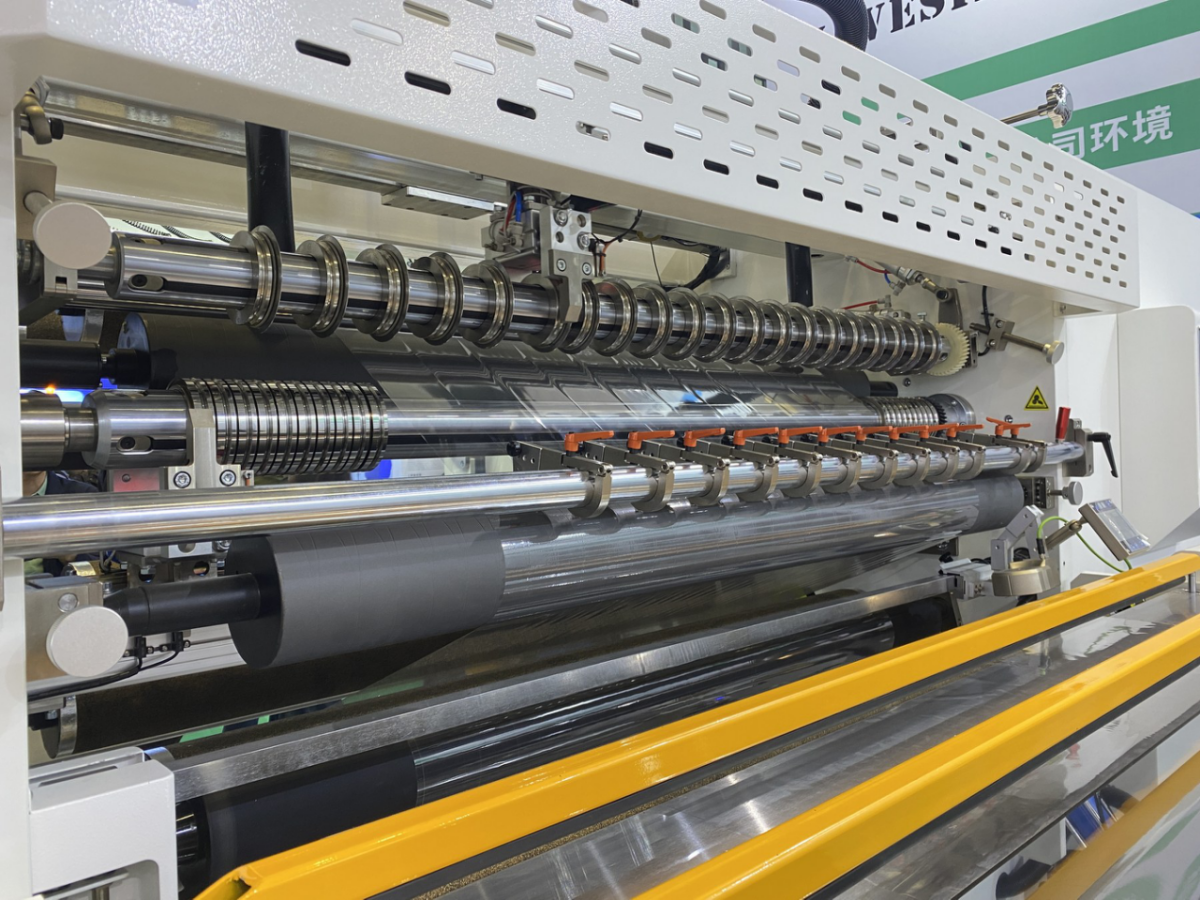
Razor Slitting
Razor slitting is commonly used for thin plastic films. It is simple, efficient, and suitable for many flexible packaging applications. However, blade sharpness, blade position, and material tension must be properly controlled to achieve clean and stable edges.
Shear Slitting
Shear slitting is often used when the material requires cleaner edges and a more controlled cutting action. It can be suitable for certain films, laminates, and thicker materials. For converters processing a wider range of flexible packaging substrates, a machine with flexible blade options can be more practical.
Circular Blade Slitting
Circular blade systems can be useful for specific materials and production requirements. The selection depends on material thickness, edge quality, dust control, and finished roll expectations.
A reliable equipment supplier should help buyers choose the cutting method based on material samples and production requirements, rather than relying only on a standard machine configuration.
Evaluate Rewinding Quality
Finished roll quality is one of the most direct ways to judge a slitter rewinder machine. A good finished roll should have a smooth surface, clean edges, stable hardness, and accurate width.
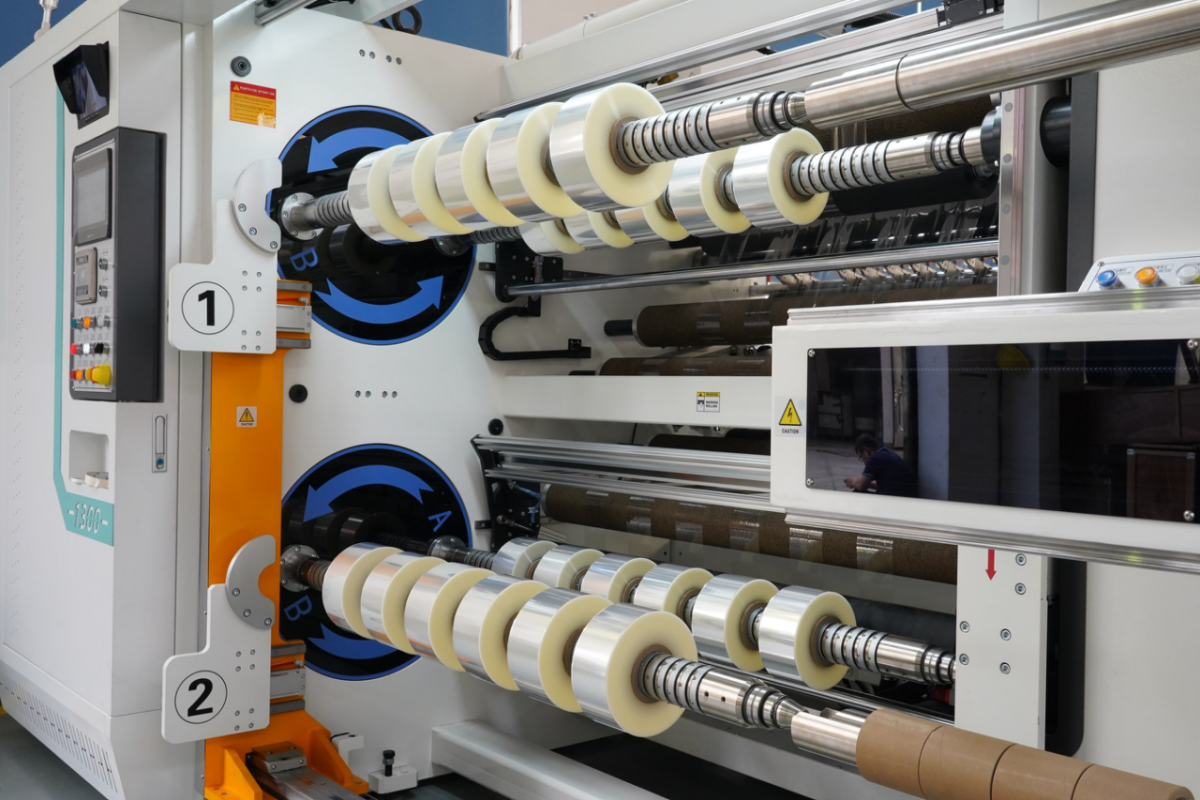
For flexible packaging converters, poor rewinding can create problems in the next process. For example, rolls with uneven hardness may not run smoothly in printing or lamination. Loose rolls may cause handling and packaging problems. Telescoping rolls may increase waste and customer complaints.
When evaluating rewinding quality, buyers should check:
Roll surface flatness
Roll edge alignment
Roll hardness
Core positioning
Finished roll diameter
Roll stability during unloading
Whether the roll can run smoothly in the next process
For some production needs, dual rewinding shafts, friction shafts, air shafts, or turret structures may be required. The right rewinding structure depends on your material, finished roll width, production speed, and automation requirements. If possible, ask the supplier to test your material and provide finished roll photos or videos before shipment.
Consider Automation Level
Automation is not only about making the machine look advanced. It should solve real production problems.
For flexible packaging converters, automation can help with:
Reducing manual operation
Improving production consistency
Shortening changeover time
Reducing handling damage
Increasing output
Improving operator safety
Making machine operation easier to learn
Depending on production needs, buyers may consider features such as automatic tension control, automatic turret unloading, dual rewinding shafts, automatic settings, recipe memory, and Siemens PLC control.
For factories with frequent order changes, easy operation and fast adjustment may be more important than maximum speed. For factories with large-volume orders, high-speed operation, stable rewinding, and automatic unloading can make a bigger difference.
Do Not Choose Only by Speed
Many buyers ask about machine speed first. Speed is important, but it should not be the only factor.
A high-speed film slitting machine is valuable only when it can maintain stable web handling, clean cutting, and good roll quality at practical working speed. If the machine runs fast but creates waste, wrinkles, or unstable rolls, the real production efficiency will be lower.
In actual production, buyers should ask for the stable working speed on their own material instead of only comparing the maximum mechanical speed.
When comparing machines, buyers should ask:
What is the stable working speed for my material?
Can the machine maintain roll quality at that speed?
How long does job changeover take?
How much waste is produced during setup?
How easy is the machine to operate?
What support is available after installation?
For flexible packaging converters, stable output is usually more important than a high number on a specification sheet.
Match the Machine with Your Production Scale
Different factories need different machine configurations.
A small or medium converter may need a cost-effective slitter rewinder machine that is easy to operate, flexible for different orders, and suitable for common film materials. A larger converter may need a high-speed flexible packaging slitter with stronger automation, larger unwind capacity, better tension control, and faster unloading.
Before buying, consider your current and future production:
Are your orders mainly small batches or large batches?
Do you process one material or many different materials?
Do you need frequent width changes?
Do you need higher speed or better flexibility?
Do you plan to expand capacity in the next few years?
A suitable machine should support your current orders while leaving enough room for future growth.
Why Machine Structure Matters
A film slitting machine should have a stable mechanical structure. During high-speed slitting, even small vibration or weak web control may affect cutting accuracy and roll quality.
A strong machine frame, stable roller layout, reliable web path, and well-designed rewinding section all help improve long-term performance. For demanding flexible packaging production, mechanical stability is especially important when processing wider rolls, thicker laminated materials, or higher speeds.
Buyers should not judge a machine only by its appearance. They should also understand the structure behind it, including the unwinding method, web path, tension control system, blade system, rewinding design, and unloading method.
Havesino Film Slitting Solutions for Flexible Packaging
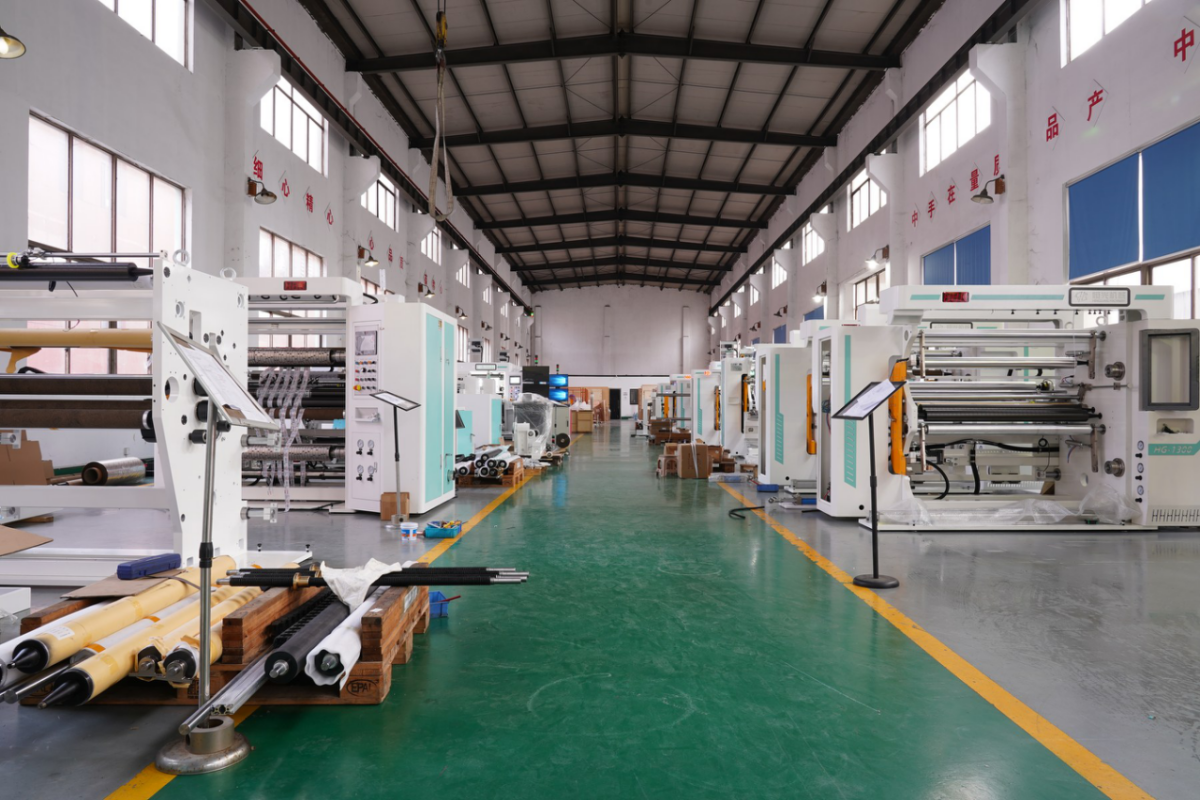
Havesino provides slitting and rewinding solutions for converters processing BOPP, PET, PE, LDPE, PVC, printed films, laminated films, and other flexible packaging materials.
The Havesino HN series is designed for flexible packaging and printing material processing. It can be configured according to material type, web width, finished roll size, cutting method, and production target.
For customers who need a multipurpose model, Havesino can provide slitter rewinders suitable for common film and flexible packaging materials. For converters with higher requirements, Havesino can also provide advanced configurations such as closed-loop tension control, horizontal direct pressure, dual rewinding shafts, automatic turret unloading, and Siemens PLC control, depending on the selected model and application.
Havesino can also customize shafts according to common shaft standards in different markets. This helps customers match their existing production habits, local roll specifications, and customer requirements.
If you are not sure which configuration is suitable for your material, you can provide the following information:
Material type
Jumbo roll width
Material thickness
Finished roll width
Finished roll diameter
Core size
Required working speed
Daily production target
Whether automatic unloading is needed
With this information, Havesino engineers can review your material, roll size, target speed, and production requirements before recommending a suitable film slitting machine for your flexible packaging production line.
FAQ About Choosing a Film Slitting Machine
What is the difference between a film slitting machine and a slitter rewinder machine?
A film slitting machine is usually a type of slitter rewinder machine designed for film materials. It cuts a wide film roll into narrower rolls and rewinds them into finished rolls. In flexible packaging, the machine must handle both slitting and rewinding quality.
What materials can a flexible packaging slitter process?
A flexible packaging slitter can process materials such as BOPP, PET, PE, LDPE, PVC, CPP, OPP, printed film, laminated film, and certain composite packaging materials. The final configuration should be selected according to material thickness, roll width, and edge quality requirements.
Which cutting method is better for plastic film slitting?
There is no single best method for all films. Razor slitting is often used for thin plastic films, while shear or circular blade systems may be better for certain laminates or materials requiring cleaner edges. The best choice depends on the material sample and finished roll requirement.
How important is tension control in film slitting?
Tension control is very important. Poor tension can cause wrinkles, loose rolls, telescoping, stretching, or uneven roll hardness. Stable tension helps improve roll quality, reduce waste, and make production more consistent.
Should I choose a manual, semi-automatic, or fully automatic film slitter?
It depends on your production volume, labor cost, order frequency, and quality requirements. A flexible machine may be enough for small-batch production, while a fully automatic film slitting machine can be more suitable for high-volume converters that need stable output and faster changeover.
What information should I send before requesting a quotation?
You should provide your material type, jumbo roll width, material thickness, finished roll width, finished roll diameter, core size, required speed, and target production capacity. If possible, material samples or finished roll photos can also help the supplier recommend a more accurate solution.
Conclusion
Choosing a film slitting machine for flexible packaging is not only about price or speed. A suitable machine should match your material, roll width, thickness, finished roll size, cutting method, tension requirements, rewinding quality, and production scale.
For BOPP, PET, PE, LDPE, PVC, printed film, and laminated film converters, stable tension control, clean cutting, reliable rewinding, and suitable automation are key factors for long-term production performance.
Havesino provides flexible packaging slitter rewinders for different film converting needs. If you are planning to upgrade your slitting process or start a new flexible packaging production line, request a film slitting solution and send us your material details and production requirements. Our team can help recommend a suitable solution for your factory.